How to Save Electric at Home: 25 Practical Money-Saving Tips
Why Saving Electricity Matters
Making conscious efforts to save electricity at home delivers substantial financial and environmental benefits. With energy prices rising and environmental concerns increasingly important, every household can contribute by adopting safe and sustainable habits. Reducing your electricity use not only lowers your monthly bill but also decreases your household’s carbon footprint. Studies demonstrate that smarter energy use can cut residential power consumption by up to 30% – a significant impact for both your wallet and the planet.
Saving power helps reduce demand on the grid, supporting energy security and preventing blackouts, especially during peak times or extreme weather. Moreover, integrating energy saving tips strengthens your home’s resilience, increases property value, and aligns with growing consumer and regulatory interest in home energy efficiency.
Quick Wins: No-Cost and Low-Cost Electricity Saving Tips
1. Unplug Devices and Reduce Phantom Load
Many appliances and chargers draw electricity even when turned off-also called phantom/vampire load. Unplug items like phone chargers, coffee makers, and entertainment systems when not in use. Plug groups of devices into a power strip for easy switch-off. This simple safety step also reduces electrical fire risk.
2. Switch to LED Bulbs for Instant Savings
LED bulbs use up to 80% less energy than incandescents and last far longer. The LED vs incandescent savings are substantial: if you replace ten 60-watt bulbs with LEDs, you can save over $100 annually. Look for ENERGY STAR ratings for trusted performance.
3. Make the Most of Natural Light
Open curtains and blinds during the day to maximize natural light. This cuts down on lighting needs and helps warm your space in cooler months. Consider lighter wall paint to boost room brightness.
4. Practice Smart Thermostat Settings
Optimize your programmable thermostat to lower heating or cooling when you’re asleep or away. Adjusting by just a few degrees can cut energy use by 10% or more per year, making this one of the most effective energy saving tips.
5. Fix Drafts with DIY Weatherstripping
Drafty windows and doors waste energy. Apply weatherstripping or caulking to leaks. You can complete this project in under an hour with materials costing just a few dollars-an ideal DIY for instant home energy efficiency.
6. Reduce Hot Water Use
Lower your water heater to 120°F, wash clothes in cold water, and fit low-flow fixtures to sinks and showers. Insulate hot water pipes with inexpensive foam sleeves to cut standby losses.
7. Clean or Replace Air Filters Regularly
Dirty HVAC filters force your system to work harder, drawing more power. Clean or replace filters monthly during high-use seasons to keep everything efficient-and reduce electric bill shocks.
Upgrade Your Home for Maximum Efficiency
8. Insulate Attics, Walls, and Floors
Proper insulation can slash heating and cooling costs by up to 20%. Focus on attics, exterior walls, and crawl spaces to minimize heat loss. DIY-friendly insulation kits are widely available.
9. Invest in Energy-Efficient Appliances
When it’s time to upgrade, select ENERGY STAR-rated appliances. A modern fridge uses nearly half the electricity of an older model. Replace aging washers, dryers, and dishwashers for cumulative savings.
10. Install a Smart Thermostat
Modern smart thermostats learn your preferences, adjust automatically, and can be controlled remotely via smartphone. Studies show these devices save 8-15% on heating and cooling annually. If you’re handy, installing new controls yourself is a great DIY project.
11. Upgrade to Double-Glazed Windows
Single-pane windows lose heat quickly. Double or triple-glazed windows improve your home’s envelope, especially when combined with proper caulking and weatherstripping.
12. Add Pipe Insulation
Foam pipe insulation is inexpensive and reduces heat loss from hot water pipes, especially in unheated areas. This is a high-impact, easy project for significant energy savings.
13. Consider a Low-Flow Showerhead
Low-flow fixtures reduce water usage and lower the cost of water heating. Modern designs conserve without compromising on shower quality.
Seasonal Strategies for Energy Savings
14. Summer: Use Ceiling Fans and Ventilation
Ceiling fans can make rooms feel up to 4°F cooler, letting you raise the thermostat while staying comfortable. Make sure fan blades are set to spin counterclockwise in summer to push air down.
15. Summer: Block Heat with Blinds and Films
Install reflective blinds or window films to reflect sunlight, reducing indoor heat gain and AC use. This is a fast DIY task with measurable comfort and savings.
16. Winter: Seal and Insulate Doors & Windows
Use draft stoppers, caulk, and thermal curtains in winter. Adding layer insulation traps warm air, keeping rooms comfortable and reducing heater runtime.
17. Winter: Let Sunlight Warm Your Home
Open south-facing curtains on sunny days and close them at night for natural heating. This supplementary strategy cuts down on furnace dependance.
18. Year-Round: Maintain Your HVAC System
Schedule tune-ups each spring and fall. Properly serviced systems deliver peak efficiency and extended lifespan, preventing sudden failures.
Advanced Solutions for Long-Term Savings
19. Solar Power Systems
Installing rooftop solar panels delivers long-term savings and energy independence. Many households see their electric bills drop by 70-100%. While the upfront investment is significant, incentives and financing options can offset initial costs.
20. Home Energy Monitors
Install a whole-house energy monitor to track usage in real time, identifying inefficiencies and helping you take targeted action. Many smart home energy tips recommend these as a first step for serious savers.
21. Heat Pumps for Efficient Heating and Cooling
Modern heat pumps offer high-efficiency heating and cooling in one. They’re especially effective in moderate climates. Early adopters cite up to 50% savings compared to traditional HVAC.
22. Install an Electric Vehicle Charger
If you own or are considering an electric vehicle, a smart charger lets you optimize charging times for off-peak power rates. Learn more about the process in this step-by-step charger installation guide.
23. Add an Electric Fireplace
An electric fireplace provides efficient supplemental heat without the heat loss of traditional chimneys. Installation can be simple and cost-effective with the right instructions-see this easy DIY fireplace guide.
24. Smart Power Strips for Automation
“Advanced” power strips automatically cut power to devices when not in use, targeting phantom load reduction further than regular strips allow. Ideal for home theaters or computer setups.
25. Comprehensive Home Energy Audit
Hire a certified auditor or use a DIY checklist to identify specific ways to reduce electric bill and maximize home energy efficiency. Many utilities offer free or discounted audits.
| Tip | Potential Annual Savings ($) | DIY Friendly? |
|---|---|---|
| Switch to LED Bulbs | 100+ | Yes |
| Seal Drafts | 150+ | Yes |
| Programmable Thermostat | 180 | Yes |
| Home Energy Audit | Varies | Yes/Pro |
Frequently Asked Questions About Home Electricity Savings
What is the fastest way to lower my electric bill?
Focus on unplugging unused devices, switching to LED lighting, and adjusting your thermostat settings. These energy saving tips often have immediate impact. For outlets that are unresponsive or seem faulty, you may need to troubleshoot the outlet to ensure safe and efficient operation.
How can I tell if my appliance is efficient?
Look for an ENERGY STAR label and consult the manufacturer’s energy rating. Older, unlabelled appliances usually use more power, so replacing them is one of the best strategies to save electricity at home.
Does turning off power strips really work?
Yes. Power strips make phantom load reduction easy, especially for home office and entertainment setups. Advanced strips can automatically cut power to idle devices for even further savings.
Are DIY upgrades safe?
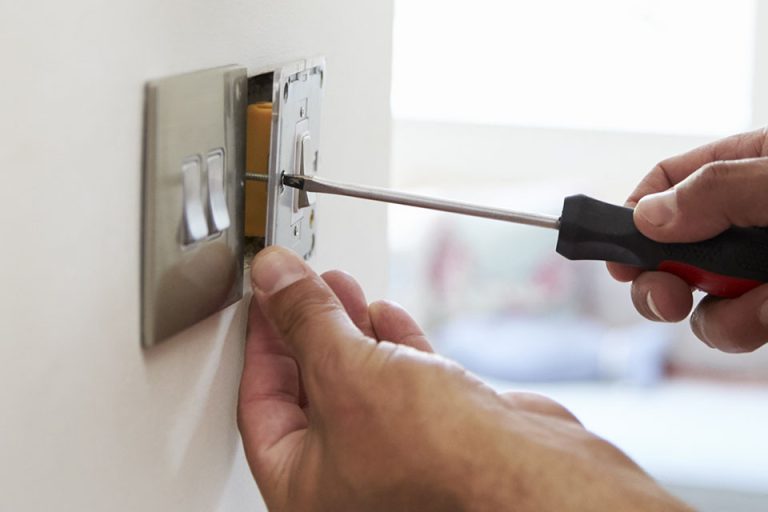
Most basic efficiency upgrades are safe if you follow directions and observe best practices. Always turn off power before any electrical work-see these important electrical safety tips to protect your family and your home.
How often should I review my home’s efficiency?
Conduct a review each year and after major home updates. Use checklists or professional audits to find new ways to enhance home energy efficiency.